Quantcast

The Search for Automotive Independence and Sustainable Transport

October 29, 2008

Automobiles have become an integral part of life over the past century. Unfortunately, the idea of sustainable transport wasn’t considered until more recently. Limited performance models powered by hydro motors and those operating on electricity were quickly forsaken for the power and convenience of gasoline and diesel engines.


BrockVicky

This is not the answer to sustainable transport. Photo by: BrockVicky

Why Petroleum Based Fuels Are Not the Answer

According to the American Petroleum Association, spills and leaks from offshore drilling rigs contaminate the oceans with nearly 15 million gallons of oil per year. Oil rigs pose a number of environmental hazards to the water and animals surrounding them, as well as those working on the rigs – not to mention the fact that petroleum is a nonrenewable resource that may or may not be available in the future.

Obviously, our dependency on gasoline is something that must be overcome. The potential of electricity, hydrogen power, and alternative fuels are once again being examined by car manufacturers around the globe – and this time, the future for sustainable transport is bright.

Biofuels and Ethanol – A Quick Fix or a Solution?

The importance of biofuel and biodiesel have been considered for nearly 3 decades, but has seen much more attention since 2006. Several countries have put plans in place to convert fuel use to bio-alternatives within the next few years. These alternative fuel options are much cleaner than petrol-based fuel without the harsh impact and hazards associated with drilling, but ethanol-based biofuels have their share of environmental concerns as well.


Photo by Jeffrey Beall

Photo by Jeffrey Beall

First-generation biofuels typically convert naturally-grown plants into ethanol or vegetable oil – then it is processed into fuel. These crops, and the process of photosynthesis, remove carbons from the air and are thought to decrease greenhouse gas emissions by 20% over conventional fuels.

Biofuel production has seen quite a bit of controversy for a number of reasons, but primarily because corn and grain crops are cultivated strictly for ethanol or vegetable oil production – thus detracting from our global food supply.  Increased demand to meet the needs of both food use and ethanol or oil production has created a significant rise in food costs.

The most recent debate over the worth of biofuels may be the greatest concern – recent studies have found that ethanol production for fuel may actually accelerate global warming, causing more harm than good in the long run. Acres and acres of land have been converted from the carbon-reducing forests and grasslands they once were to crops of soy, corn, or sugarcane for biofuel. Scientists estimate that palm oil plantations in Indonesia will require more than 400 years to actually benefit the world.

Beyond First-Gen Biomass Fuels

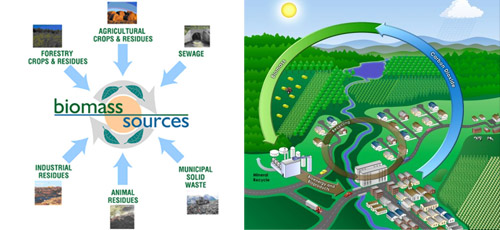
Corn, sugarcane, soybeans, and other consumable crops are not the only option for biofuel production. Perennial plants cultivated on already degraded farm land is one option currently being examined – the key to sustainable transport is finding a solution that will not alter the natural cycle of the environment.

The possibilities for biomass are seemingly endless – some options may include:

Hybrid and Electric Success

From tax-incentives and reduced bank loan rates to the freedom of driving in any HOV lane regardless of occupancy, hybrid vehicles are thought by many to be one of the biggest advancements in sustainable transport. Today’s hybrids greatly reduce emissions, are much roomier than early models – check out the Lexus RX Luxury Utility Vehicle, and can go much further and faster on a charge.   Unfortunately, typical hybrid vehicles still depend on gasoline.

The sleek and green Tesla Roadster.  Photo by Jurvetson

The sleek and green Tesla Roadster. Photo by Jurvetson

Advancements in battery technology have paved the way for 100% electric cars, completely independent of nonrenewable fuels. The Tesla Roadster features all the fun and excitement of a luxury sports car – 0 to 60 in 3.9 and a top speed of 125 – for less than 2 cents per mile.

Electric cars may play a big role in the future of sustainable transport but there are still disadvantages that will need to be overcome before electric power is the answer.

  • The battery that powers hybrids and electric cars pose the greatest threat. Lead batteries are extremely dangerous in accidents while lithium-ion batteries can cause greater fire hazards. Disposing of these toxic components can also create environmental dangers.
  • Electric cars require charging, just like your laptop and mobile phone. Limited driving around town is ideal, but longer commutes, vacationing, and other drives will require plug-in stations that are currently few and far between.

The Power of Nature Meets Modern Transport

There are many other possibilities currently being tested in the world of transportation. Hydrogen powered vehicles are already on the road but are still quite costly to manufacture and to operate. Solar power is another viable option for the future.

Solar powered car

Solar panels eliminate oil dependency. Photo by Borman818

From the strange and disgusting materials considered for biomass fuel to the natural rays of sunlight needed for solar power, the options available for alternative fuel and sustainable transport are amazing – and there is still so much more to discover as we search for automotive independence.  What do you consider to be the most viable option for renewable fuel?  What is the most unusual?

What’s On Your Plate? – Cool and Creative Green Tableware

October 26, 2008

Photo by Lili Vieira de Carvalho via Flickr

Photo by Lili Vieira de Carvalho via Flickr

From disposable to reusable, many people are looking for a greener alternative to traditional dishes and flatware. There are a number of reasons individuals are making the switch to biodegradable cups and recycled plates – and there are several eco-friendly products available, from disposable plates made with nothing more than fallen leaves to elegant serving platters from recycled glass and much more.

Why Go Green at the Dinner Table?

Traditional plates and dinnerware raise a variety of concerns for both the environment and overall health. Studies have found that about 30% of the dishes used at America’s dinner table contain dangerous levels of lead and cadmium. Another study claims that when the ceramic is properly fired, these toxins will most likely not leach into the food. In light of several different cases of lead poisoning linked to dinnerware, the National Safety Council advises:

“Avoid eating off any colorfully painted ceramic plates, and avoid drinking from any ceramic mugs unless you know they do not leach lead. This is particularly important if the pottery was made in Mexico or another Latin America country, or in Asia.”

Plastic bottles, cups, and food containers can be even more harmful. Polycarbonate plastics – including most reusable bottles and containers – are made with a material called bisphenol-A. BPA has been linked to several types of cancer, type II diabetes, and can have ill effects on unborn children as well. Baby bottles, toddler cups, and plastic flatware also contain BPA. Heat from the dishwasher or the microwave allows small amounts of the chemical to surface, contaminating the foods and liquids inside.

Styrofoam (or polystyrene foam) products also contain known carcinogens, or cancer-causing materials, that can leach into food in a similar way as the plastics mentioned above. Styrofoam products are manufactured from petroleum, a nonrenewable resource, and are not biodegradable. In fact, the Great Pacific Garbage Patch is proof of the harm both Styrofoam and plastic containers cause.

YouTube Preview Image

Green Alternatives for Your Dinnerware

Whether you’re looking for biodegradable plates for your restaurant or just a safe option at home, there are a variety of choices currently available. Stainless steel is the best decision for water bottles and drinkware – when it comes to plates, bowls, and flatware, the possibilities are much more exciting.

Plates with Purpose by Riverside Design Group

Plates with Purpose by Riverside Design Group

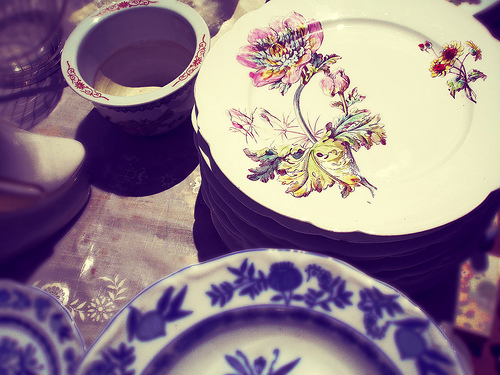
Made from post-industrial and pre-consumer recycled glass, these plates are dishwasher and microwave safe and feature 8 custom designs. What makes Plates with Purpose unique is that each design promotes awareness for a specific charity and a portion of the profits are donated to the noted charity depending on the style you choose. The flower pictured above benefits the Alzheimer’s Association of Greater Pennsylvania, while the wheat plate below it raises funds for the Greater PA Community Food Bank.

Lauren Becker at Recycled Glassworks turns old glass into gorgeous dinnerware.

Lauren Becker at Recycled Glassworks turns old glass into gorgeous dinnerware.

These recycled plates are made from the old glass lenses that cover traffic lights. Recycled Glassworks offers a variety of green tableware, each rescuing some sort of glass otherwise destined for disposal. Old windows, doors, glass shelves, and tabletops now find their way to the dinner table with amazing plates, bowls, and platters and each piece is dishwasher safe. Recycled Glassworks also accepts old glass for recycling at their San Fransisco office.

Compostable, reusable plates by Verterra made completely from fallen leaves.

Compostable, reusable plates by Verterra made completely from fallen leaves.

Verterra plates are disposable dinnerware that are sturdy enough to be used several times before throwing them out. The dishes are all-natural, without any harmful chemicals or dyes, and are made of nothing but fallen leaves. Safe for the microwave, the oven, and the fridge, Verterra plates and bowls can also be washed by hand and are quite durable. Best of all, these green dishes are naturally biodegradable and will vanish without a trace within about 2 months after disposal.

YouTube Preview Image

Restaurant owners looking for a greener alternative to traditional take-out containers may find the Harvest Collection from the Hubert Company meets their needs. The plates, cups, and containers withstand temperatures up to 130° and are made of compostable and renewable resources like corn, wheat, and rice. Lids are also available for the biodegradable plates and cups, made of 20% post-consumer recycled materials and completely recyclable.

Photo by Alexander H.M. Cascone via Flickr

Photo by Alexander H.M. Cascone via Flickr

If eco-friendly flatware is what you’re looking for, WheatWare offers a reusable as well as disposable option for forks, spoons, knives, and chopsticks. The Biomass-75 resin line eliminates 75% of the plastic used in conventional plasticware by using wheat biomass in its place. These utensils are dishwasher safe and withstand temperatures of more than 212°. The Cornware line from WheatWare contains no plastic at all. These disposable forks and spoons are biodegradable and made of 100% compostable materials.

All Occassion Verneerware by Bambu is certified organic, from organically cultivated bamboo.

All Occassion Veneerware by Bambu is certified organic, from organically cultivated bamboo.

Bamboo is another great option for green tableware. The disposable line of bamboo Verneerware from Bambu is approved by the FDA and biodegrades within 6 months of discarding. The company also offers bamboo cutting boards, festive lacquerware bowls, and all-natural cooking utensils – all carefully crafted from abundant and durable bamboo.

There are several other earth-friendly products available that eliminate both the environmental and health hazards associated with conventional dinnerware. Feel free to add to this list in the comments and share your own feedback on green tableware!

Sustainable Living – Today, Tomorrow, and Beyond

October 21, 2008

Sustainable living is more than an idea – it’s a necessity. Our  lifestyle is quite dependent on the planet, from valuable and limited land to the nonrenewable fossil fuels we’re quickly depleting. Unfortunately, we’ve continued to take from the earth without considering the effects it could have on our future.

Pollution at sunset.  By Pfala

Pollution at sunset. By Pfala

Yes, the planet may survive the drastic changes brought about by global warming and the poor decisions of humans – the question is, will we?

What is Sustainable Living?

According to Merriam-Webster, to sustain means to give support or relief to, to keep up or prolong, or to support the weight of. Sustainable living requires an adaptation of our current lifestyle to continue meeting our most basic needs – including food, shelter, clothing, and transportation, as well as energy solutions and clean water and air.

Our current trends have led to:

  • A global temperature increase nearly three times that of the previous century just in the past 4 decades.
  • More than 170,000 chemicals in the air – accounting for drastic increases in allergies, asthma, and respiratory disorders, as well as diseases like cancer and heart disease.
  • An alarming increase in a variety of diseases, including malaria, lyme disease, and bacteria-induced conditions. This increase is attributed primarily to bacterial growth in warming ocean temperatures and disease-carrying insects migrating to more acceptable climates.
  • A potential rise in sea level of as much as 7m in the next century. Click here so see how rising sea levels could affect you.
  • Eight of the hottest 10 years on record occurring within the last decade.

Why is Sustainability Such a Challenge?

Change is a challenge, whether it’s big or small. It’s obvious that our current habits and lifestyles can not continue without change – the rising cost of oil is just part of the proof. We have become dependent on fossil-fuel driven automobiles and electronic living, while our diets and general habits are typically wasteful and often excessive.

More than 150 years ago, at the beginning of the Industrial Revolution, Henry David Thoreau conveyed the significance of a simple lifestyle for human sustenance. Today, we are far from simple! Rather than throwing centuries of advancements out the window, we can use that technology to adapt our current habits to more sustainable options.

A Sustainable Planet Doesn’t Have to be Boring

Scott Specht

Zerohouse Copyright:Scott Specht

The sleek (and fast) electric powered Tesla roadster. Photo by Chance Gardener

The sleek (and fast) electric powered Tesla roadster. Photo by Chance Gardener

The Many Uses of Bamboo

YouTube Preview Image
Not necessarily attractive, but creative.  Bamboo power by Bookish in North Park

Not necessarily attractive, but creative. Bamboo power by Bookish in North Park

Sustainable innovation has seen tremendous growth in recent years. Alternative fuel and hybrid vehicles are no longer the slow, cramped cars they began as. Net zero development is much more than a cabin in the woods with a compost toilet. Sustainable agriculture has also seen its share of advancements. With current technology and even bigger ideas for the future, sustainable living – that doesn’t sacrifice the luxuries we’re accustomed to – is not a far-fetched fantasy!

Green Living Room Furniture for the Home

October 19, 2008

051408 eve 300x199 Green Living Room Furniture for the Home

Ever consider going green with your furniture? Chances are you may have but are concerned about the cost. Green furniture can be quite expensive and hard to find at times. Whether you want to go used, are a do-it-yourselfer or simply prefer to buy new here are some ways to get started on your green furniture shopping.

This article will help you excel in green living by providing you with a few general tips as well as specific furniture pieces to consider while developing a green den or living room to its full potential potential – and will help you create these green living spaces without breaking the bank.

Green Living Room Furniture – Go Used

Going used is the simplest and shortest route to going green and is an easy option for those looking to go green without spending too much money. Buying used furniture effectively recycles an old product and isn’t wasteful, and it’s economical, too. One problem is: you may not be able to go quite as eco-friendly as you would like to be able to. Additionally, you are going to have to go on the buyer’s word that your product is free of toxic finishes, convenience-based chemicals, and more. This is the quickest solution for those looking to go green in their living room, but there are more unknown variables in play. If the risks are not worth it to you then read on for other green living room furniture options.

harmony primary 300x200 Green Living Room Furniture for the Home

Green Living Furniture – Do It Yourself

It isn’t necessary to obtain a pre-made piece of green furniture for your home. Instead, you can take matters into your own hands. Recycled, FSC-certified (Forest Stewardship Council) wood can be purchased and put towards your next living room piece, if you’re at all handy and looking to perform some of the processes yourself. Add the least-toxic finish of your choice onto the wood, and you’ve saved yourself a wad of cash while meeting at least some green guidelines. You’ve also automatically avoided harmful fire-retardant chemicals and other PBDEs, as well as unnatural wrinkle and stain-resistant treatments. However, be sure to track the source of your recycled wood if buying from a third party and if the wood is uncertified. Don’t be afraid to ask questions! You will want to be sure what you have is really recycled as there are only roughly a dozen or so certified recycled wood furniture manufacturers, so double-checking won’t hurt and is always wise.

maku sofa lg 300x234 Green Living Room Furniture for the Home

Green Living Furniture – Pre-Made

If you don’t mind spending a little extra cash, you can save yourself the hassle and purchase already-made  green living room furniture made and ready to go (especially if your skill set does not allow for option two above). Items that are made from recycled materials, are products of the FSC, and avoid highly toxic glues and finishes are all available.

IKEA and Crate & Barrel feature recycled wood product lines as do some online outlets. Places such as Greener Lifestyles offer organic cotton, hemp and wool fabrics on green furniture, as well as natural latex foams, recycled polyester fabrics, and more.

Another option would be non-forest materials like bamboo are available that can better fit into your green lifestyle. And, these also won’t hurt your too much financially.

Now that you are versed on what to look for when it comes to green furniture, Viva Terra and Greener Lifestyles are some places to getstarted if you’ve decided to go the “buy new and now!” route. Whatever approach(es) you choose: good luck with making your house and furniture that much more green!

The Latest in Eco-Friendly Lawn Care – Goats?

October 16, 2008

Ride on lawnmower?  Photo by olsongirl via Flickr

Ride on lawnmower? Photo by olsongirl via Flickr

Eco-friendly lawn care is an important part of a sustainable future and there are dozens of options out there, but … goats? There are some with more potential than others but we have seen such examples as human powered lawnmowers, solar electric robotic lawnmowers, and even propane powered lawnmowers:
Read more

Comments