8 Foot Catfish Caught in Cambodia and Other Strange Environmental News
November 27, 2007
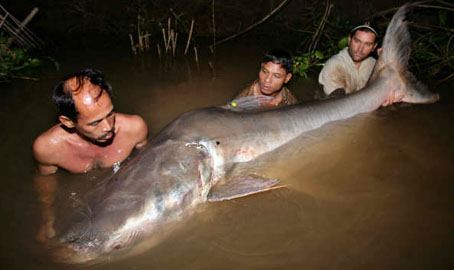
Captured just before midnight on November 13 by fishers in Cambodia, this Mekong giant catfish is 8 feet long (2.4 meters long) ands weighs 450 pounds (204 kilograms).
Kinky Apes Get Protection: The bonobo ape has rather prolific mating habits. The kinky apes are one of human beings’ two closest relatives and officials in the Congo have announced the creation of a massive rainforest preserve intended to protect them.
Can Chocolate Save the Environment? A rather unique solution to rainforest preservation through the introduction of Cocoa trees that shows that many Latin Americans are taking tropical deforestation seriously… and doing something about it! Excellent article.
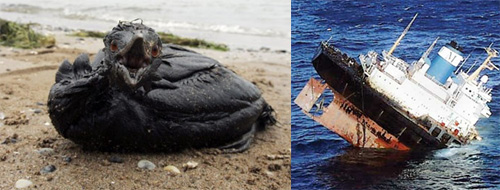
Cleaning Up Oil Spills with Hair and Mushrooms? The recent Cosco Busan oil spill in the San Francisco Bay may have just met its match in an eco-cleaning solution that uses human hair and mushrooms! A group of intrepid volunteers has embarked on a project to clean up oil at San Francisco’s beaches using an unusual, yet totally organic, method of waste removal:
Update: One Laptop per Child Gift-One-Get-One Program EXTENDED
November 25, 2007

Originally set to expire this week, the One Laptop per Child program has extended the deadline on their compelling two-for-one gift-and-get charitable public sale of laptops until December 31st. This change will allow people more time to make a decision or organize larger group purchases and will also tap into the busy holiday gift-buying market. Larger group purchases of laptops result in a reduced price per laptop, making this a viable option for community and religious organizations as well as schools and other institutions.

The One Laptop per Child association (OLPC) is a Delaware, USA based, 501(c)(3) non-profit organization, created by faculty members of the MIT Media Lab, set up to oversee The Children’s Machine project and the construction of the XO-1 “$100 laptop”. In reality, however, higher costs of production have driven the actual costs up to $188 per laptop, and increasing competition from mainstream manufacturers may cause future tensions. However, given the mission of OLPC, such competition – if it successfully provides inexpensive laptops to the developing world – would still fulfill their goals:
“The mission of One Laptop Per Child (OLPC) is to empower the children of developing countries to learn by providing one connected laptop to every school-age child. In order to accomplish our goal, we need people who believe in what we’re doing and want to help make education for the world’s children a priority, not a privilege.”
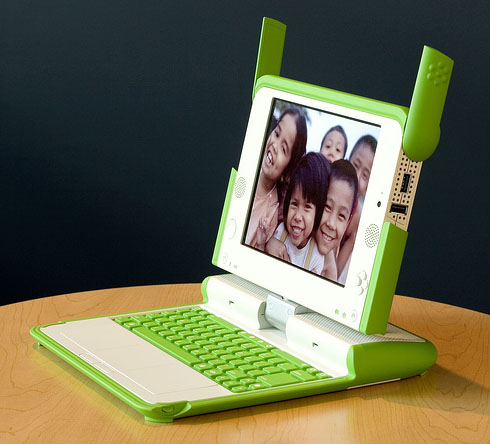
Weighing just 3.2 pounds, this robust and durable laptop includes a camera, microphone and even game controllers, as well as a swivel-screen and other features one would normally not expect for under 500-800 dollars per unit. The laptop can run up to 24 hours on battery power for low-intensity applications and can be charged via hand-crank. The product may or may not reach its original target group of 150 million users worldwide, though its creators hope that competing models will fill gaps in the progress toward this goal. To gift-and-get one for a child at home and abroad, visit OLPC’s product page.
3 Great Lists that Make Green Living Easier
November 23, 2007
100 Ways to Save the Environment: In your home, yard, office and everywhere else you can reduce energy consumption and use alternative methods to clean, weed and perform other daily activities to limit your carbon footprint and go green without a great deal of inconvenience or added effort.
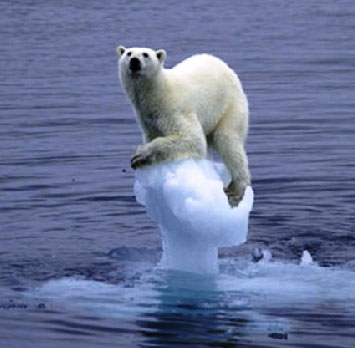
57 Tips for Going Green and Saving Money: Here are some useful ways to both improve your impact on the environment while also potentially saving money – a true win-win situation. These include some obvious ones, such as using public transit, and some less common but equally important methods such as reducing meat consumption.
500+ Best Environmental Directories: You can link directly one of the best lists or do it through their annotated list of directories Other hit parades for environmentalists are also available, and if you do not find anything, try selected internet search engines. Auxilliary lists (white pages, chemistry, etc.) can also be useful for environmentalists.
The 23 Pages that can Help Save the Planet and Other Climate Change Resources
November 21, 2007
A report just issued is taking on a daunting task: simplifying and clarifying the nature of climate change in order to make it more comprehensible and viral as an idea. Skeptical on the issue? Well, this is for die-hards and skeptics alike – a simple report designed for everyone.
A new document has been released that is generating a lot of envirobuzz. It is so important because it provides one concise, easily-readable but comprehensive text of facts, figures and diagrams – in short all the information you need to understand and act on the threat of global warming, be you a politician, a businessman, an activist or a citizen (or for that matter, a doubter). Download it here.
More basic info on global warming and climate change can be found at the National Resources Defense Council or via the Pew Research Center. If you’d like to add more resources please do so below.
Man (Re)Builds Mexican Island Paradise on 250,000 Recycled Floating Bottles
November 18, 2007

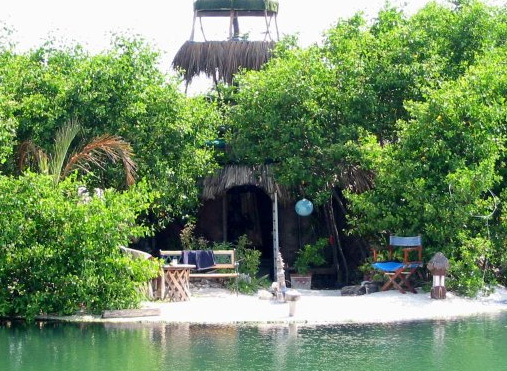
If you can’t afford to buy your own tropical island paradise, why not build your own? That is exactly what Richie Sowa did back in 1998, from over a quarter-million plastic bottles. His Spiral Island, destroyed years later by a hurricane, sported a two-story house, solar oven, self-composting toilet and multiple beaches. Better yet, he has started building another one! His ultimate goal? To build the island bigger and bigger and finally float out to sea, traveling the world from the comfort of his own private paradise.

The original Spiral Island was (as its successor will be) built upon a floating collection used plastic bottles, all netted together to support a bamboo and plywood structure above. Located in Mexico, the original was 66 by 54 feet and was able to support full-sized mangroves to provide shade and privacy, yet also able to be moved from place to place by its creator as need with a simple motorized system.

An environmentalist to the core, Sowa is also an artist and a musician. More than just the universal dream of an island retreat, Spiral Island is also his vision for low-impact sustainable living. The next version of the island will be built to withstand more treacherous weather than the first and will also be located in a more sheltered part of Mexico’s waters.
The Above Ripley’s Believe-it-or-Not video is a great introduction to the island, which conjures images of Gilligan-done-right. Spiral island is able to exist and move about in Mexico in part because it is classified as a ship, not an island, like an atoll out of WaterWorld (only much much cooler). On September 7, 2007 the new Spiral Islander social network utility was opened to the public to allow visitors, Spiral Islanders and friends of Richie Sowa to connect and communicate about the history of Spiral Island and to learn more and discuss Richie Sowa’s new Spiral Island. Want more islands? See these 7 Island Wonders of the World from WebUrbanist.


Comments