Ever consider going green with your furniture? Chances are you may have but are concerned about the cost. Green furniture can be quite expensive and hard to find at times. Whether you want to go used, are a do-it-yourselfer or simply prefer to buy new here are some ways to get started on your green furniture shopping.
jon
The Latest in Eco-Friendly Lawn Care – Goats?

Eco-friendly lawn care is an important part of a sustainable future and there are dozens of options out there, but … goats? There are some with more potential than others but we have seen such examples as human powered lawnmowers, solar electric robotic lawnmowers, and even propane powered lawnmowers:
No more paper or plastic – 5 Great DIY ideas for Reusable Shopping Bags
So you are going green on a budget, or just want a bag that makes more of a statement than the branded shopping bag from your local store? Reusable shopping bags are an eco-friendly solution to a growing waste problem. Each year, 38 billion plastic bags are thrown away in the US alone. Only a tiny percentage of these bags are recycled – the rest:
- Make their way to the ocean and kill thousands of marine creatures each year.
- Some float through the air, endangering birds and littering the streets.
- Others sit in landfills and decompose, contaminating the water, soil, and food supply with harmful micro-toxins.

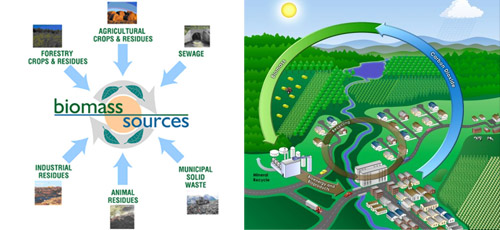
9 Unusual Alternative Energy Options – the Potential of Biomass

Biomass energy and biomass fuel are becoming more and more viable options for a sustainable future. But Biomass is a lot more fascinating than most people realize, with fuel sources ranging from chicken excrement to human fat and even stranger substances you might never have guessed. The many, many different possibilities for biomass materials makes it one of the most fascinating forms of alternative energy – especially when you consider these unusual methods of biomass production:
Scented Candles: The Toxic Health Risks

What could be more harmless than nice-smelling scented candles, right? No problem and no harm. Light one, let it flicker away, and allow the aroma to set the mood, right? There are dangers and risks associated with scented candles that may have you scrambling for greener alternatives to these apparently neutral everyday products.
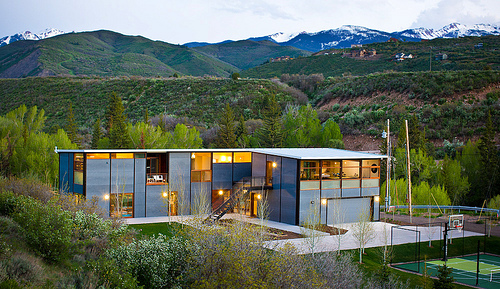
Sustainable Prefab Living in Custom Style – Homes by FlatPak

What is FlatPak?
FlatPak homes combine the luxury of a custom designed house with the environmental benefits of a sustainable lifestyle to create unique and beautiful homes, hotels, and townhouses that are friendly to the planet. Each 8′ by 8′ component is custom built according to your specifications – choose glass types, windows, and a variety of eco-friendly finishes and accents to design your dream home.
Should You Have Some Beef with Your Beef?

Where’s the beef?
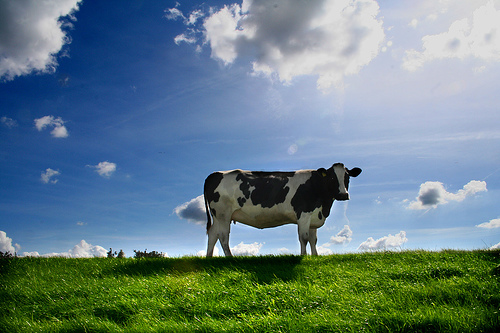
It’s not down on the farm these days, alas. The healthy, natural beef of years gone by is almost extinct. It has been driven out by cheap beef, raised on gigantic feedlots, fattened on corn. The problem is: corn isn’t healthy for cows, and raising beef this way ultimately isn’t healthy for us either. Here are some things to watch out for and ways to be more healthy when it comes to your beef-related choices.
The Tyranny of King Corn (part 1)
We’ve all heard by now that corn-based ethanol has turned out to be a bad idea.
- Corn is energy intensive to grow, gobbling up fossil-fuels at every stage of production, from transporting seeds to fertilizing the fields (with petrochemical fertilizers) to final harvest.
- Corn is also a spectacularly water-intensive crop.
- The ethanol production stage consumes more fossil fuels and water.
- Once it finally reaches your gas tank, ethanol burns around 30% less efficiently than gasoline (meaning your per-mile cost is actually 30% more than you think it is).
- Estimates of how much actual energy we get out of the process range from barely breaking even to around 20 percent more than the input energy.
- And of course, every step of the process spews CO2 into the atmosphere.
It’s been almost a year since The New York Times editorialized on the subject:
The economics of corn ethanol have never made much sense. Rather than importing cheap Brazilian ethanol made from sugar cane, the United States slaps a tariff of 54 cents a gallon on ethanol from Brazil. Then the government provides a tax break of 51 cents a gallon to American ethanol producers — on top of the generous subsidies that corn growers already receive under the farm program.
And unlike our inefficient corn-based ethanol, that Brazilian product actually yields 370% of the energy put into it.
So, why are we doing this? What possible calculus could convince us to even consider corn ethanol?
Corn is big business – and big agribusiness hires the best lobbyists.
Here, the return on investment is spectacular: plant a few tens of millions of dollars in seed money in the form of campaign contributions to senators and members of Congress, and reap billions of dollars in federal farm subsidies.
And for agribusiness, corn is king.